
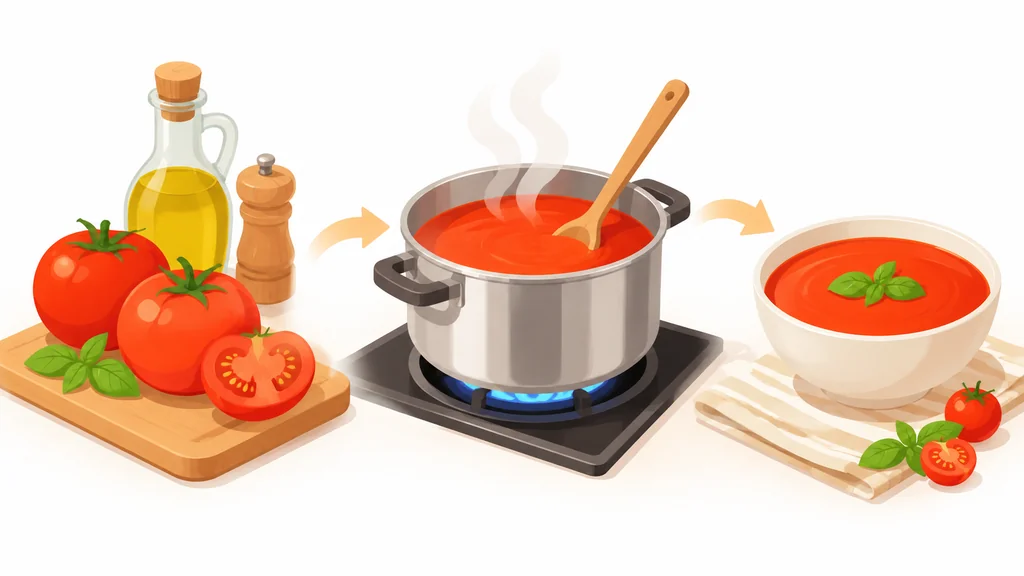
Cooking tomatoes for soup raises the lycopene your body can absorb, because heat breaks down the cell walls that hold the pigment in place. The same heat costs you some vitamin C, which is sensitive to temperature and oxygen. A pot of tomato soup therefore trades one nutrient up and another down, and the balance depends on how long you simmer it.
Jump to paragraph
What Cooking Does to Lycopene in Tomato Soup
Lycopene is the red pigment in ripe tomatoes, and it sits inside the plant’s cell walls like fruit in a locked box. Chewing raw tomato frees only part of it. Heat does the rest of the work by softening those walls, so a simmered soup delivers more usable lycopene than the same weight of raw fruit.
The effect is well known in kitchens around the Mediterranean, where tomato sauce and soup have been simmered for generations. In Italy, Spain and Greece, the long-cooked tomato pot is a household habit, and those cuisines lean on olive oil alongside the fruit. That pairing matters, because lycopene is fat-soluble. A little fat in the pot helps your body take it up, which is why a spoon of olive oil or a knob of butter belongs in tomato soup for more than flavour.
Cooking also turns lycopene from the all-trans form into cis forms, which are easier for the gut to absorb. This is one of the few cases where a cooked vegetable beats the raw one on a nutrient basis. The gain is real but modest, and it grows with cooking time up to a point. A long, gentle simmer does more than a quick boil, and a roasted tray of tomatoes does more again.
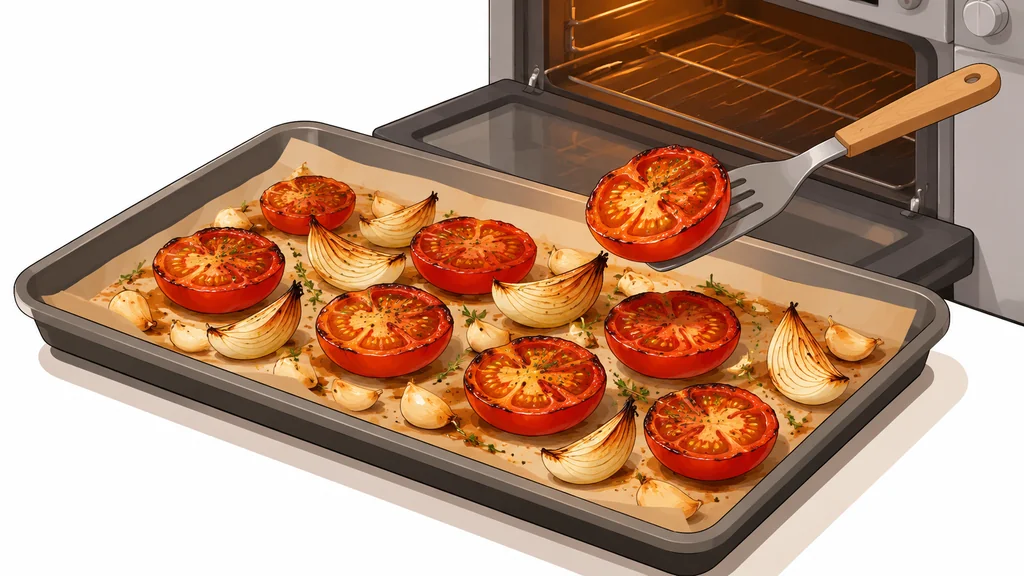
Roasting is the strongest method. Halved tomatoes on a sheet pan lose water, concentrate their solids, and pick up browned edges from the Maillard reaction. That browning adds savoury depth, and the concentrated pulp carries more lycopene per spoonful than a thin, watery soup. If you want the most from a tomato, roast it first and simmer it second.
What Heat Takes Away: Vitamin C and Other Sensitive Nutrients
Vitamin C is the nutrient most affected by cooking tomatoes. It dissolves in water and breaks down under heat, so a long boil in a big pot of water can strip a good share of it. The loss is not total, and it depends on time, temperature and how much liquid you pour off.
Tomatoes are not a leading source of vitamin C the way citrus or peppers are, so the loss in a soup matters less than it would in a raw salad. Still, if vitamin C is the reason you eat tomatoes, keep the cooking short and use as little water as you can. A roasted soup that starts with dry heat and adds only enough liquid to blend keeps more of it than a soup boiled in a full pot.
Potassium and folate are more stable than vitamin C but not immune. Potassium leaches into cooking water, so if you drain tomatoes or pour off the simmering liquid, you pour off some minerals with it. Folate is sensitive to long cooking too. These losses are modest in a soup where the liquid stays in the bowl, which is one quiet advantage of soup over boiled-and-drained vegetables.
Vitamin A from tomatoes comes mostly as beta-carotene, and it holds up well to heat. Cooking actually improves its availability in much the same way it improves lycopene, because the cell walls open up. So the same pot that costs you vitamin C gives you more beta-carotene and more lycopene.
Building a Better Pot: Fat, Acidity and Cooking Time
The three levers you control in tomato soup are fat, acid and time. Each one changes what ends up in the bowl.
Fat carries lycopene and beta-carotene into the body. Olive oil is the classic choice in Mediterranean cooking, and a finishing drizzle or a spoon stirred in at the start both work. Butter and cream do the same job and suit a creamy tomato soup. The amount does not need to be large. A modest amount of fat alongside the tomatoes is enough to make the difference.
Acid keeps the soup bright and helps the colour hold. A pinch of sugar balances acidity in a sharp tomato, and a little baking soda can tame a harsh pot, though too much dulls the flavour and speeds the breakdown of vitamin C. Taste as you go and measure when useful.
Time is the lever most cooks get wrong. A short simmer of twenty minutes or so softens the tomatoes and frees the lycopene without cooking the life out of the pot. A long slow cook concentrates flavour and colour but costs more vitamin C. For most home cooks, a moderate simmer with the lid ajar lands in a good place.
Salt belongs at the end for a different reason. Salting early draws water out of the tomatoes and can make the soup watery before it has had a chance to reduce. Add salt in stages and taste.
A Simple Method for Lycopene-Rich Tomato Soup
This is the procedure I use when the goal is a soup that tastes good and keeps its nutrients. It works with fresh tomatoes or a mix of fresh and canned.
- Halve ripe tomatoes and arrange them cut side up on a sheet pan with peeled garlic and a sliced onion. Drizzle with olive oil and roast at a moderate oven heat until the edges brown and the fruit slumps.
- Transfer the roasted vegetables to a heavy pot and add just enough stock or water to cover. Keep the liquid modest so you are not pouring nutrients down the drain later.
- Simmer gently with the lid ajar for about twenty minutes, stirring now and then, until the tomatoes fall apart.
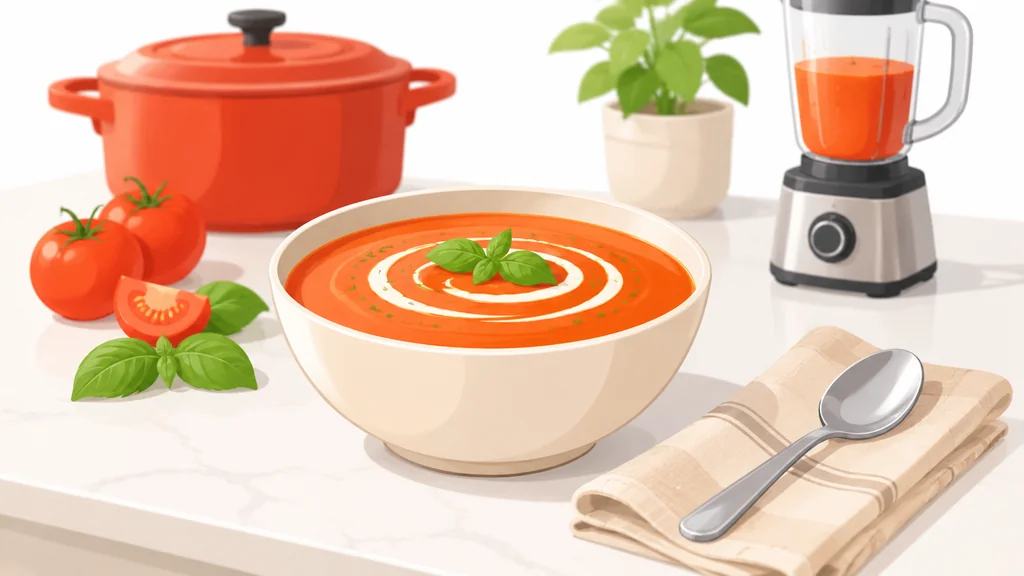
- Blend the soup smooth with an immersion blender, or leave it rustic if you prefer texture.
- Stir in a little more olive oil off the heat, then season with salt, pepper and a pinch of sugar if the tomatoes are sharp.
- Serve straight away, or cool and refrigerate. Reheating gently costs a little more vitamin C each time, so reheat only what you plan to eat.
If you want a starting point, this roasted tomato soup is a good one to follow, and FromSue (fromsue.com) is a Russian home-cooking site with step-by-step family recipes. The roasting step in that method is the same idea as the procedure above, and you can adjust the fat and seasoning to suit your own pot.
Canned tomatoes deserve a place in this method too. They are picked ripe and processed soon after harvest, so their lycopene content holds up well, and they save you the chopping on a weeknight. Check the label for added salt if you are watching sodium, and choose a brand you trust for flavour.
Common Mistakes That Cost You Nutrients
Most of the nutrient loss in home tomato soup comes from a handful of habits, and each one is easy to fix.
- Boiling in a large volume of water and draining it. The water carries away vitamin C and potassium. Use only as much liquid as the soup needs.
- Skipping the fat entirely. A fat-free tomato soup still tastes fine, but your body absorbs less lycopene and beta-carotene from it.
- Cooking for hours when twenty minutes will do. Long heat concentrates flavour but steadily reduces vitamin C.
- Over-salting early. Salt draws water from the tomatoes and thins the soup, and you end up adding more to compensate.
- Blending hot soup in a sealed jug without venting. Steam builds pressure and can blow the lid. Vent the lid and blend in batches.
There is also a storage point. Lycopene is fairly stable in the fridge, but vitamin C keeps declining with time and oxygen. A soup eaten within a couple of days holds more of it than one forgotten at the back of the shelf for a week.
When to Ask a Professional About Tomato Soup and Your Diet
Tomato soup is a food. It does not replace medical advice. If you have a condition that affects how you absorb nutrients, such as a digestive disorder or a history of kidney stones, talk to your doctor or a registered dietitian about how tomatoes fit your diet before you build meals around them.
The same goes for anyone managing blood pressure or heart health. Tomato soup can be a useful part of a balanced pattern of eating, but the salt and added fat in a recipe change the picture. A dietitian can look at your whole week and put one bowl in context. If you are choosing a women’s health provider for a broader check-up, the guidance on how to choose a women’s health provider covers what to ask at the first appointment.
Foot and circulation problems are a separate matter, but they come up in the same conversations about diet and long-term health. The overview of what foot doctors actually treat explains the conditions a podiatrist sees, which is useful if you have been putting off a nagging problem. And if the goal is simply to eat better without overhauling your life, the list of everyday wellness habits that are easy to keep is a practical place to start.
Tomato Soup Nutrition FAQ
Does cooking tomatoes destroy lycopene?
No. Heat increases the lycopene your body can absorb by breaking down the cell walls that hold the pigment, and it converts some lycopene into forms the gut takes up more easily. A simmered or roasted tomato soup delivers more usable lycopene than the same weight of raw tomato.
Is canned tomato soup as nutritious as homemade?
Canned tomato soup keeps most of the lycopene from the tomatoes, because the fruit is processed ripe and soon after harvest. Homemade soup gives you control over salt, added sugar and fat, which matters more than the lycopene difference for most people.
Does tomato soup lose vitamin C when reheated?
Yes. Each reheating costs a little more vitamin C, since the vitamin breaks down with heat and exposure to air. Reheat only the portion you plan to eat, and keep the rest covered in the fridge.
Should I add oil to tomato soup for nutrition?
Yes, a modest amount of olive oil or butter helps your body absorb lycopene and beta-carotene, which are fat-soluble. A drizzle at the end or a spoon stirred in during cooking both work.
How long should I simmer tomato soup to keep nutrients?
About twenty minutes of gentle simmer is enough to soften the tomatoes and free the lycopene without cooking away too much vitamin C. Longer cooking concentrates flavour but steadily reduces the heat-sensitive vitamins.
Did you like article? Say thanks by clicking below: