
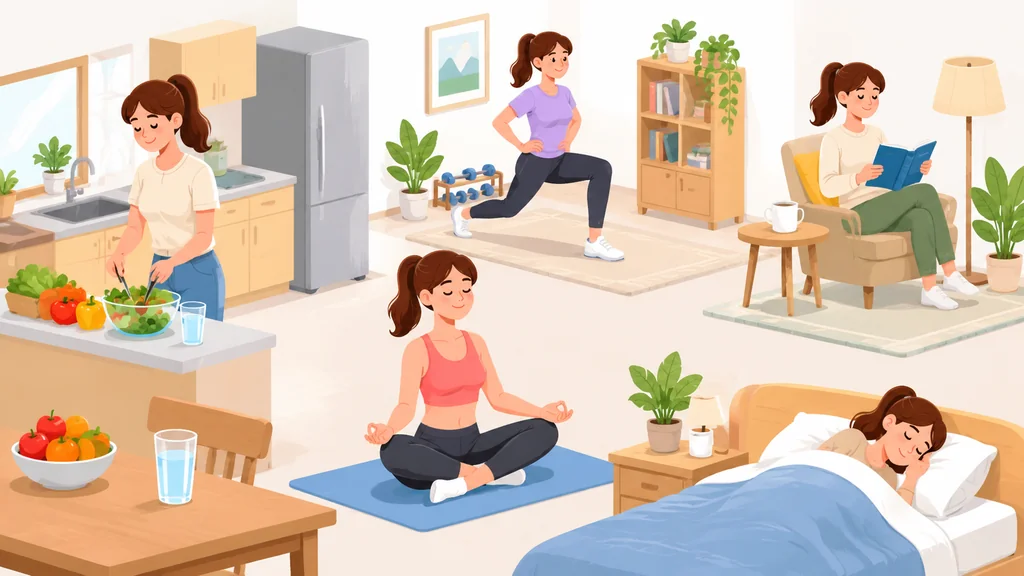
Most everyday wellness habits work because they are small enough to survive a bad week. The CDC puts the sleep cut-off at turning off devices at least 30 minutes before bed, and the WHO asks adults for at least 150 minutes of moderate activity weekly. Neither demand a new personality, just a repeatable slot in your day.
That is the whole idea behind this guide. You will find habits sorted by how easy they are to keep, with the practical details that make each one stick, from fibre at breakfast to a five-minute walk after dinner. Nothing here needs a gym membership or a supplement stack.
Jump to paragraph
Start With Sleep, Because Everything Else Leans on It
Sleep is the habit most people try to fix last and benefit from first. A tired body reaches for quick energy, skips the walk, and drinks more coffee than it meant to. Fix the evening and the rest of the day gets easier without extra willpower.
The CDC’s advice is refreshingly concrete. Turn off electronic devices at least 30 minutes before bedtime. That is the whole rule. A half hour of screen-free wind-down is enough. You do not need a full digital detox or a phone in another room.
Make that half hour do some work for you. Keep a paper book by the bed, or a notebook for tomorrow’s list so your mind stops rehearsing it at midnight. If you use your phone as an alarm, switch it to airplane mode and leave it face down.
A few habits that pair well with the 30-minute cut-off:
- Dim the main lights in the last hour before bed and use a lamp instead.
- Keep the bedroom cool and dark; a cheap eye mask fixes a lot of rented flats.
If you wake at the same time daily, your body starts to expect sleep at a consistent hour, and falling asleep stops being a project. This is one of the healthy skills worth learning early, because it protects every other habit on this list.
Move More Without Calling It Exercise
The WHO recommends adults do at least 150 minutes of moderate-intensity physical activity per week. That sounds like a gym plan, but it is really about two and a half hours spread across seven days.
The stakes are worth knowing. The WHO says insufficiently active people have a 20–30% increased risk of death compared with sufficiently active people. It also projects that physical inactivity will cost public health systems nearly US$ 300 billion between 2020 and 2030. Movement is not a luxury item.
The trick to keeping a movement habit is to attach it to something you already do. Call it a walk, a cycle, a dance in the kitchen, a stair climb. The label does not matter; the repetition does.
Habits that survive busy weeks:
- Stairs instead of the lift when you are carrying nothing heavy.
- One standing phone call a day, paced around the room.
- A weekend walk with a friend, which makes it social and harder to cancel.
If you track anything, track minutes per week. Weekly totals forgive a quiet Tuesday, and the WHO target is weekly anyway.
Build a Plate You Do Not Have to Think About
Food habits fail when they depend on daily decisions. The fix is a default plate you can assemble half asleep, then vary the details. The WHO’s healthy diet guidance gives a useful frame for that default.
For most people, unrefined carbohydrates should represent approximately 45–75% of total daily energy. That is a wide band, and it leaves room for rice, oats, potatoes, and whole-grain bread without measuring anything. Choose the unrefined version where you can and let the rest follow.
Fibre is the other number worth knowing. The WHO recommends adults consume at least 25 grams of naturally occurring dietary fibre daily. Naturally occurring fibre comes from whole foods such as beans, oats and vegetables.
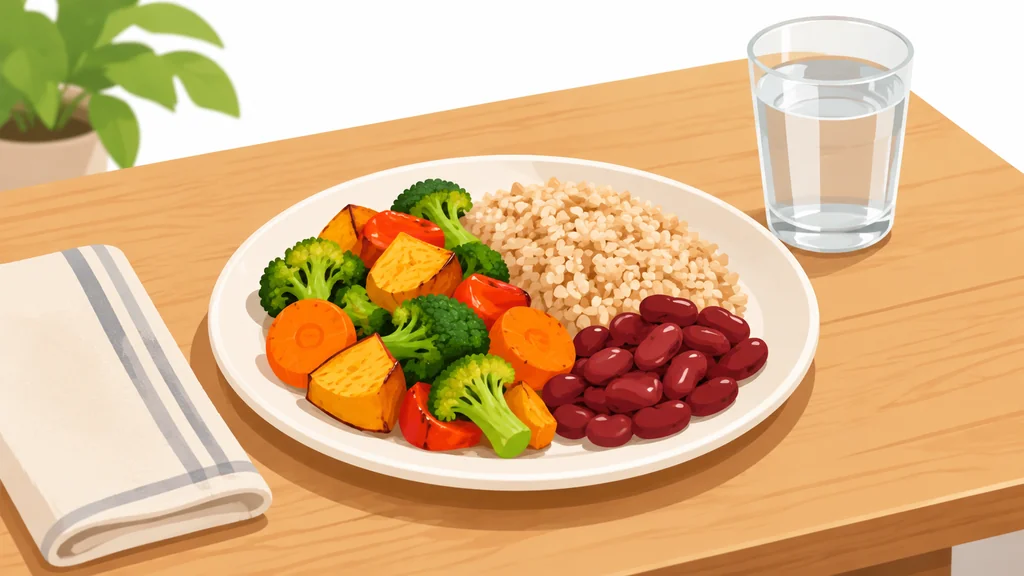
A simple default plate looks like this:
- A spoon of something fermented or a piece of fruit to finish.
The WHO puts the recommendation for adults at 3510 mg per day. Supplements are not the main source. A banana, a potato with the skin, or a handful of beans all push in that direction.
If constipation is your specific problem, the practical guide to high-fibre foods for constipation relief walks through which foods to add first and how to increase them without bloating. For the protein side of the plate, these high-protein foods that build a balanced plate pair well with the vegetable half.
Drink Water and Keep Your Hands Clean
Two of the easiest habits to keep are also the two most often skipped. Drinking water regularly and washing your hands properly cost almost nothing and prevent a lot of low-grade misery.
The hygiene point is not abstract. They affect everyday health. If your tap water is safe, use it freely.
Practical habits that stick:
- Fill a bottle once in the morning and refill it at lunch; the bottle is the reminder.
- Put a glass by the kitchen sink so drinking water is the path of least resistance.
- Keep a small bottle of hand gel in your bag for the days you are out.
Learn the Healthy Skills That Save You Time
Some wellness habits are really skills, and once learned they run in the background. Cooking one flexible meal, reading a nutrition label, and planning a week of breakfasts are all learnable in an afternoon.
Start with one flexible meal you can cook without a recipe. A tray of roasted vegetables with beans and rice, a big soup, or a frittata works with whatever is in the fridge. Cook it once, eat it twice, and you have removed two decisions from your week.
Then learn to read a label quickly. If a product claims to be whole grain, check the ingredients list for the actual grain, because the front of the pack is marketing.
Supplements deserve a cautious approach. Food first, then a supplement if a specific gap remains. If regularity is the issue, this comparison of fibre supplements for regularity explains the types and how they differ, which is more useful than guessing at the pharmacy.
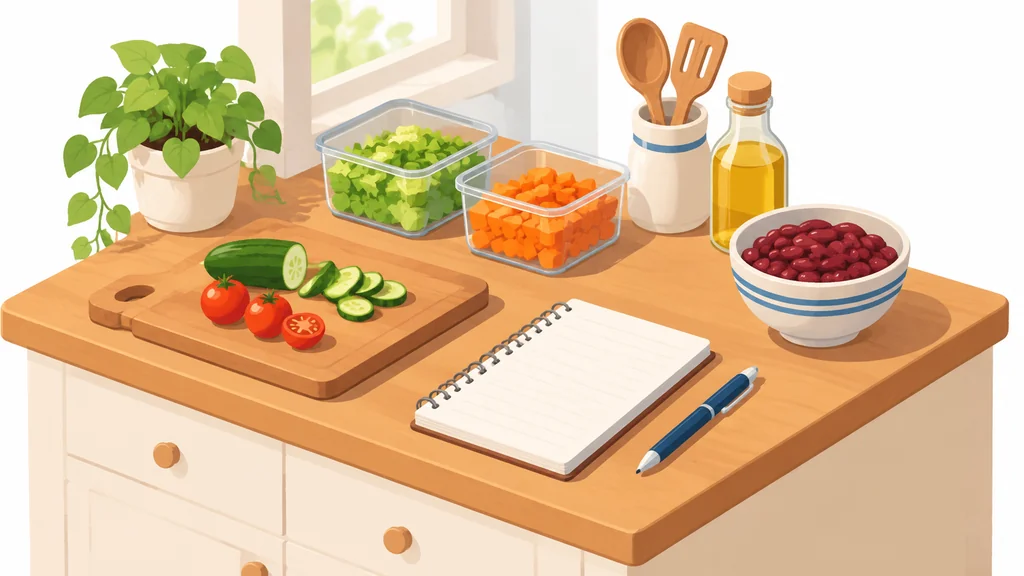
A short weekly planning session covers a lot of ground:
- Pick two breakfasts and two dinners you will actually make.
- Write a shopping list from those, not from a recipe site.
- Chop vegetables once, on the day you shop, and store them ready to cook.
- Leave one evening free for whatever life throws at you.
Make the Habits Survive a Bad Week
Every habit meets a week when work runs late, a child is ill, or you travel. The habits that last are the ones with a smaller version you can still do. Make the habit smaller when the week is difficult.
A ten-minute walk counts. A bowl of oats with fruit counts as fibre. Consistency at a lower level beats a perfect week followed by a month of nothing.
A few rules that help:
- Never miss twice. One skipped day is life; two is a new pattern.
- Keep the equipment visible. Shoes by the door, bottle on the desk, book on the pillow.
- Pair a new habit with an old one, such as stretching while the kettle boils.
- Review monthly, not daily, so a single bad day does not feel like failure.
If you want a single habit to start with, pick the sleep cut-off. Better sleep makes the walk easier, the food choices simpler, and the water bottle more likely to be refilled.
When to Get Help Instead of Tweaking Habits
Habits handle the everyday. Some things need a professional, and knowing the line is itself a healthy skill. Adjusting breakfast may not address the cause.
A doctor or physiotherapist can tell you what to keep doing and what to rest.
For new parents, the WHO says infants should be breastfed exclusively during the first 6 months of life. Raise feeding questions with a midwife or health visitor. Ask early; nobody minds.
Everyday Wellness Tips FAQ
How long before bed should I stop using screens?
The CDC advises turning off electronic devices at least 30 minutes before bedtime.
How much moderate activity do adults need each week?
The WHO recommends at least 150 minutes of moderate-intensity physical activity per week for adults.
Increase fibre sources slowly, with enough water, to avoid discomfort.
What is the easiest wellness habit to start with?
Add a short daily walk once the sleep routine feels normal.
Did you like article? Say thanks by clicking below: