
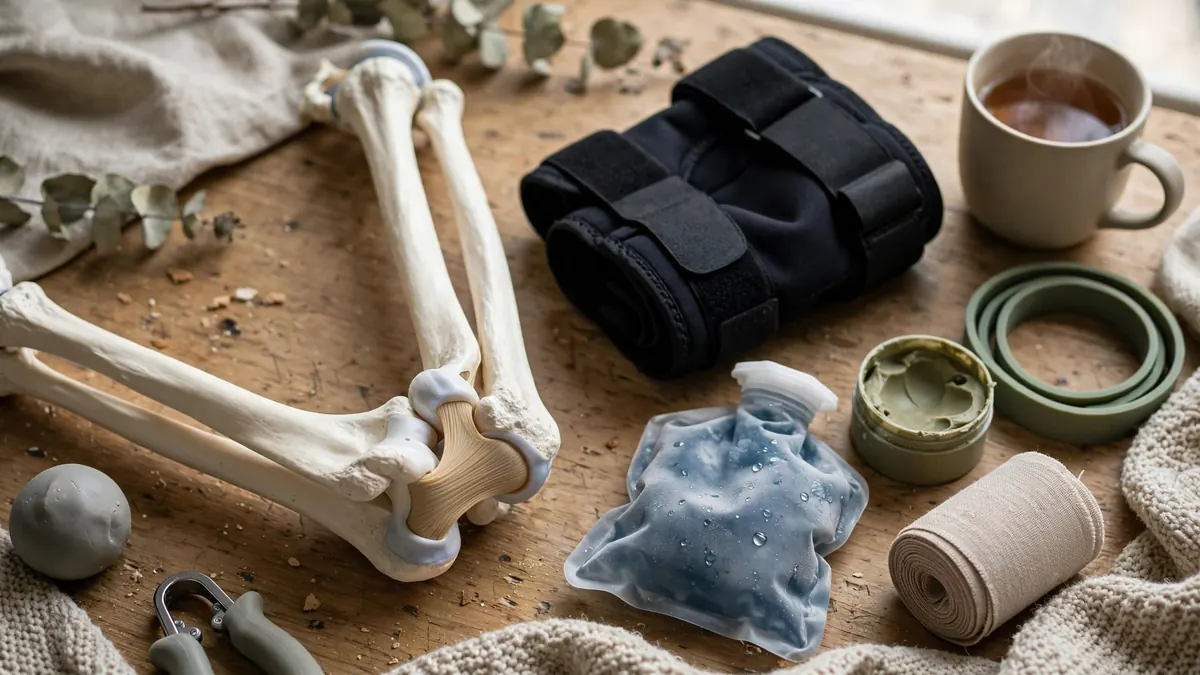
An ulnar collateral ligament injury is a sprain or tear of the main ligament on the inner side of the elbow, the band of tissue that keeps the joint stable during throwing and overhead motion. Most cases improve with rest, structured physical therapy, and a graded throwing or loading program, while complete tears in overhead athletes sometimes need surgery. Recovery usually runs from a few weeks for a mild sprain to a year or more after reconstruction.
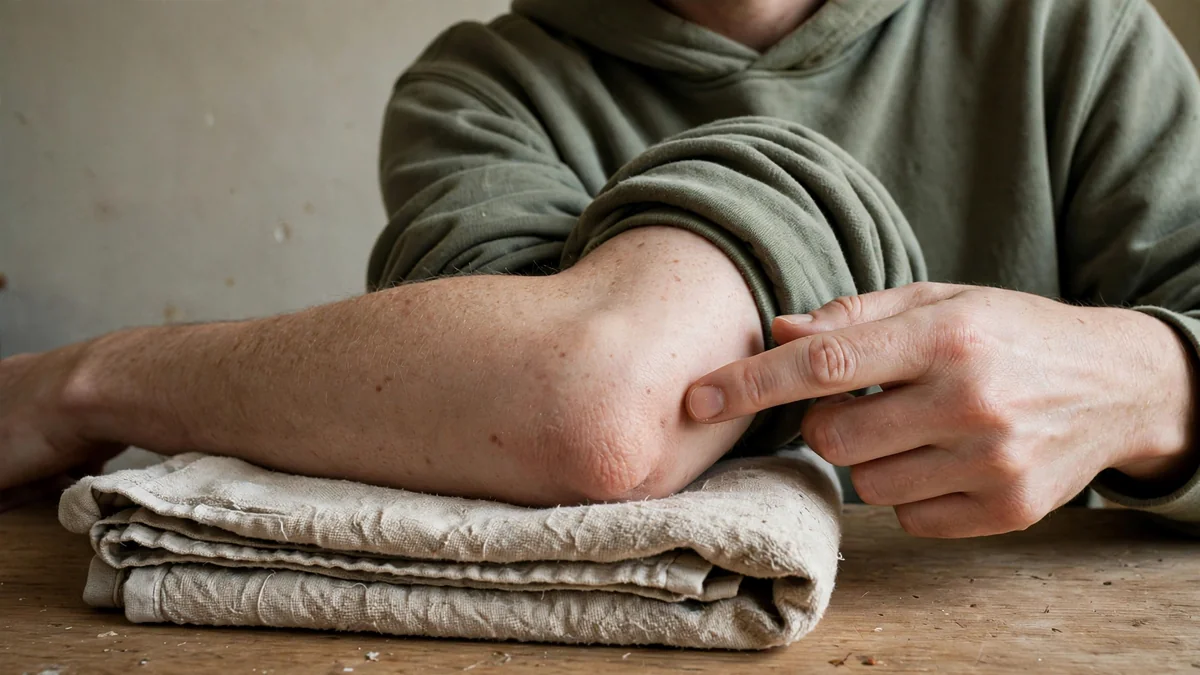
The ligament sits on the medial side of the elbow, which is the side closest to your body when your palm faces forward. It connects the humerus to the ulna and resists the valgus force that tries to open the inner elbow during a throw. That force is why baseball pitchers, javelin throwers, and tennis players show up in clinics with the same complaint.
Jump to paragraph
What the Ligament Actually Does
Three bundles make up the ligament, and they do not all work at the same moment. The anterior bundle carries most of the load through the middle of a throwing arc, which is why it tears far more often than the other two. The posterior bundle tightens when the elbow is bent, and the transverse bundle contributes little to stability.
Every overhead throw loads the ligament near its limit. The elbow is not built to absorb that repeatedly without support from the muscles around it, so the flexor-pronator group on the inner forearm acts as a dynamic shield. When those muscles fatigue, the ligament takes the full load.
Pain usually starts as a dull ache after throwing, then may appear during a throw as the injury progresses. That pattern matters, because a ligament that hurts only the next morning is telling you something different from one that gives way mid-throw.
Symptoms Worth Paying Attention To
The classic presentation is medial elbow pain that worsens with throwing velocity or volume. Athletes often describe a loss of control before they describe pain, because the joint is subtly unstable and the hand does not arrive where the brain intended.
Other signs include:
- Pain on the inner elbow that lingers past the cool-down
- A feeling of looseness or slipping during the late cocking phase
- Numbness or tingling in the ring and little fingers, which points to the ulnar nerve rather than the ligament alone
- Reduced throwing velocity or accuracy without an obvious cause
The ulnar nerve runs right behind the ligament, so the two problems frequently travel together. Persistent tingling is a reason to get seen before another session.
How the Diagnosis Is Made
A clinician starts with the history: how many throws, how often, and when the pain appears. Hands-on testing then compares the two elbows, because almost everyone has some natural laxity and the useful signal is the difference between sides.
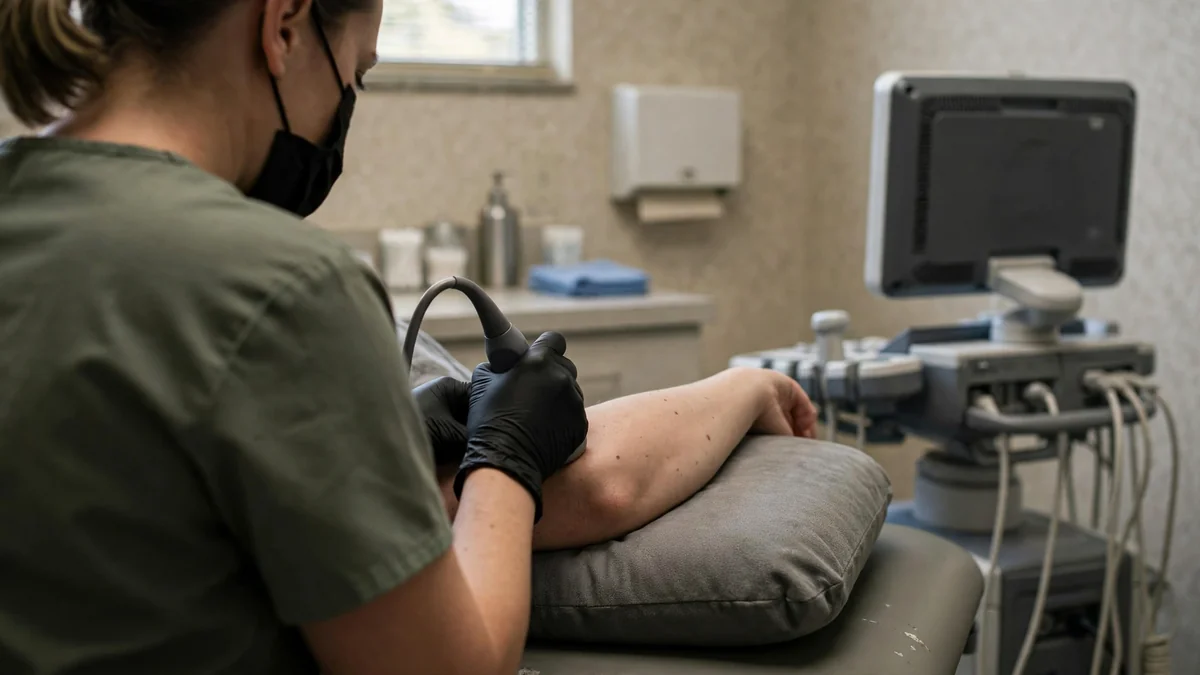
Imaging follows. An X-ray looks at the bone and can show calcification or loose bodies. An MRI or an MRI arthrogram shows the ligament itself and is the usual way a partial tear is separated from a full one. Ultrasound has become a common office tool because it lets the clinician stress the elbow while watching the ligament in real time.
If you are tracking your training load in an app, the numbers only help if the data is sound, and this guide to how accurate fitness trackers really are explains where consumer wearables tend to drift. Accurate load history makes the conversation with your clinician far more productive.
The Non-Surgical Recovery Path
Most partial injuries are treated without an operation. The first phase is relative rest, which means stopping the activity that provokes pain while continuing comfortable movement. Complete immobilisation is rarely used for long because the elbow stiffens quickly.
A typical program moves through these stages:
- Settle the acute pain with rest, ice, and a short course of anti-inflammatory medication if your clinician approves it.
- Restore full elbow and forearm range of motion with gentle stretching and light gripping work.
- Strengthen the flexor-pronator group, the wrist flexors, and the rotator cuff so the muscles share the load.
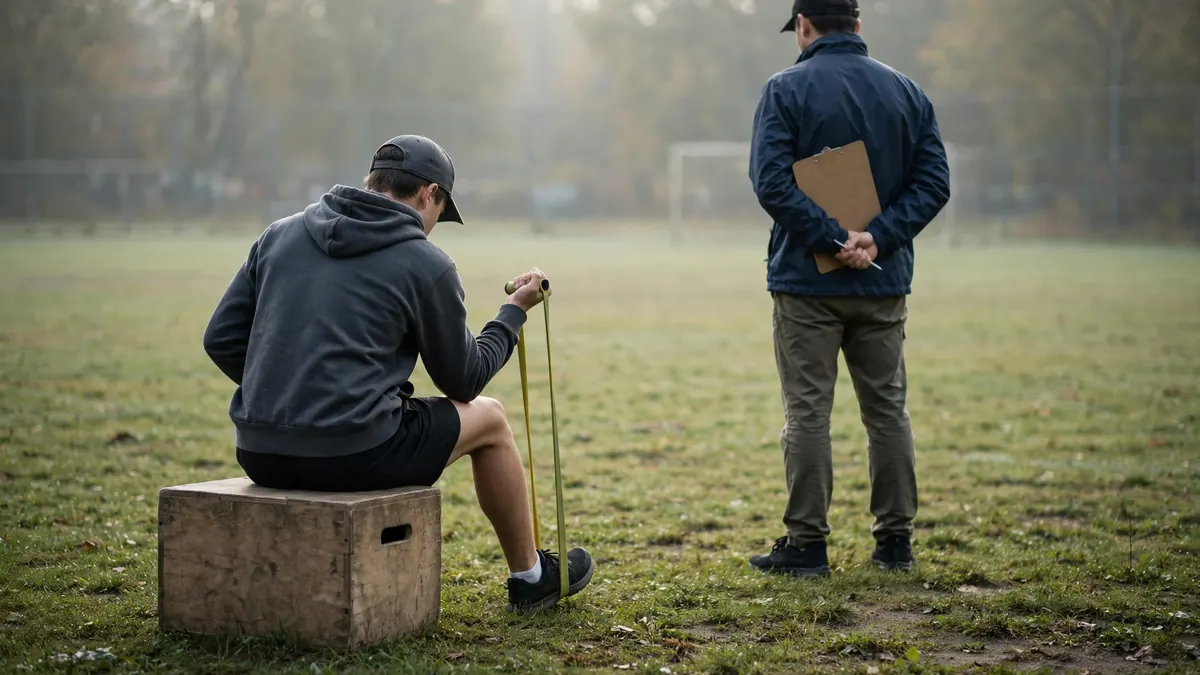
- Rebuild throwing mechanics on flat ground at short distances before moving to a mound or a full-effort throw.
- Increase volume gradually, with a defined rest day between throwing sessions.
- Return to competition only after pain-free throwing at full intensity, not before.
The temptation to skip step three is the most common reason athletes end up back at the start. A strong forearm takes weeks to build and days to lose.
When Surgery Enters the Picture
Reconstruction is usually considered for a complete tear, for a partial tear that fails a proper rehabilitation program, or for an athlete whose sport demands repeated maximal throwing. The procedure replaces the damaged ligament with a tendon graft, most often from the forearm, hamstring, or a donor.
Recovery after reconstruction is measured in months. Early work protects the graft while it heals into bone, then the program mirrors the non-surgical path with a longer runway. Throwing usually resumes on a strict schedule, and full return to competitive pitching often takes a year or more depending on the sport and the individual.
Outcomes are generally good for athletes who follow the protocol, and less predictable for those who return early. The graft does not care how important the next game is.
Load Management and Prevention
The strongest predictor of a ligament injury is a sudden jump in throwing volume or intensity. Pitch counts, innings limits, and mandated rest days exist because the tissue needs time to adapt. Rules vary by league and level, so check your local rules.
Year-round play is a second major factor. Athletes who never take a genuine off-season from overhead throwing give the ligament no window to recover, and cumulative damage builds quietly. A few months away from throwing each year does more for the elbow than any single exercise.
General conditioning matters too. A well-run strength program and a sensible training base support the arm, and joining a gym with proper equipment and coaching makes that easier, as this roundup of the best fitness clubs and gyms in the USA shows. Mobile health apps can also help you log sessions and spot volume spikes before they turn into pain. Read What Are Mobile Health Apps? Definition, Types, and Real Benefits in 2026 for an overview of the categories.
Ulnar Collateral Ligament FAQ
How long does an ulnar collateral ligament injury take to heal?
A mild sprain can settle in a few weeks with rest and rehabilitation, while a partial tear often needs several months of structured work. Recovery after reconstruction is longer and is usually measured in a year or more before full competitive throwing. Your own timeline depends on the grade of the injury and how consistently you follow the program.
Can you recover from a torn ulnar collateral ligament without surgery?
Some partial tears do heal well without an operation, particularly when the athlete commits to a full rehabilitation program and respects the return-to-throw progression. Complete tears in high-demand throwers are less likely to respond to conservative care. A sports medicine clinician can advise based on imaging and your sport.
What does the pain feel like?
Most people describe an ache on the inner elbow that appears after throwing and gradually moves into the throw itself. Some feel a sudden sharp pain with a pop, which suggests a more significant tear. Tingling in the ring and little fingers points toward ulnar nerve involvement alongside the ligament.
Is it the same as Tommy John surgery?
Tommy John surgery is the common name for ulnar collateral ligament reconstruction, so the two terms describe the same operation. Not every ligament injury needs it. Many athletes are treated successfully with rest, strengthening, and a graded throwing program.
When should I see a doctor?
See a clinician if the pain lasts more than a week or two despite rest, if you feel the elbow give way, or if you have numbness or tingling in the hand. Early assessment is far easier to manage than a chronic injury that has been irritated for months.
Did you like article? Say thanks by clicking below: