

The best fitness clubs in the USA in 2026 are Life Time, LA Fitness, EōS Fitness, Fitness Connection, Retro Fitness, Blink Fitness (now moving to PureGym), and, for anyone building a home or garage setup, Rogue Fitness. There is no single winner, because “best” depends on what you actually want. A luxury club with a pool and childcare is a different purchase from a $15 no-frills gym you visit at 6 a.m. before work.
Below is a quick comparison, then an honest look at each chain: who it suits, what it costs in broad terms, and where it falls short. Prices and club counts move around, so treat the numbers as a guide, not a quote.
Jump to paragraph
Quick comparison of the top US gym chains
| Gym | Best for | Where it’s strong | Price tier |
|---|---|---|---|
| Life Time | Premium all-in-one club, families | Nationwide, suburban | Luxury |
| LA Fitness | All-around big-box gym near you | US & Canada | Mid |
| EōS Fitness | Low cost with real amenities | Sun Belt & West | Budget–Mid |
| Fitness Connection | Big, well-equipped floor on a budget | TX, NC, GA, NV | Budget–Mid |
| Retro Fitness | Simple, no-frills franchise gym | East Coast & growing | Budget |
| Blink (→ PureGym) | Cheap Northeast gym, in transition | NY, NJ | Budget |
| Rogue Fitness | Equipment for home/garage/CrossFit | Ships nationwide | Buy, not join |
The best fitness clubs in the USA

Americans have never had more gym options: 24/7 access, yoga and hula classes, climbing walls, saunas, cycling studios, and pools. That choice is the problem. With so many chains competing, it is hard to know which membership is worth your money. Here are seven that stand out in 2026, each for a different reason.
1. Life Time: best overall, if the budget allows

Life Time runs more than 180 upscale “athletic country clubs” across the US and Canada, and it keeps opening more. Founder and CEO Bahram Akradi has pushed the brand toward large, resort-style locations rather than plain gyms. A typical club packs indoor and outdoor pools, group fitness, cycling and yoga studios, a climbing wall, a spa and salon, a café, and supervised childcare. It is closer to a private club than a place to just lift weights.
The catch is price. Life Time sits firmly in the luxury tier, with monthly dues that can run several times a mainstream membership, and rates vary by club. If you will use the pool, the classes, and the childcare, the value is real. If you only want a squat rack and a treadmill, you are paying for a lot you will not touch.
2. LA Fitness: best all-around gym near you
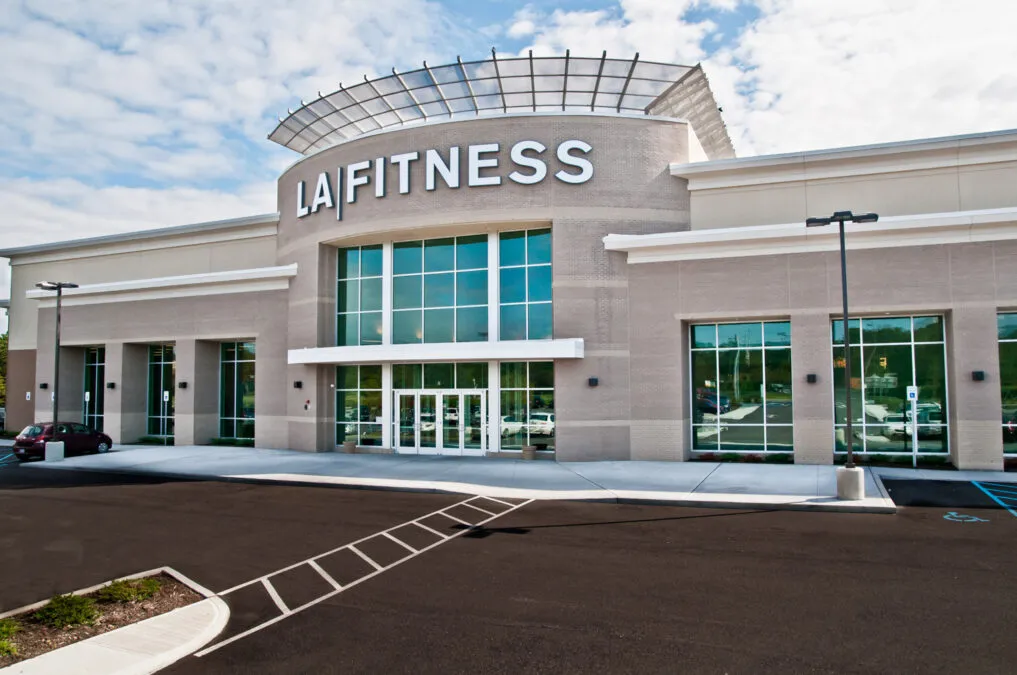
LA Fitness is the safe middle choice. With around 650 clubs across the US plus Canada, there is a good chance one sits near your home or office, and multi-club access means you are not locked to a single branch. Most locations carry a full free-weight area, plenty of machines, group classes, a pool in many clubs, and basketball courts in some. Aerobics and studio classes are a long-standing strength.
It is a mid-tier price, usually in the range of a standard monthly membership plus an annual fee. The trade-off is crowding: popular clubs get packed at 5 to 7 p.m., and equipment upkeep varies from location to location. Tour the specific club you would use before signing, because two LA Fitness gyms in the same city can feel very different.
3. EōS Fitness: best low cost with real amenities
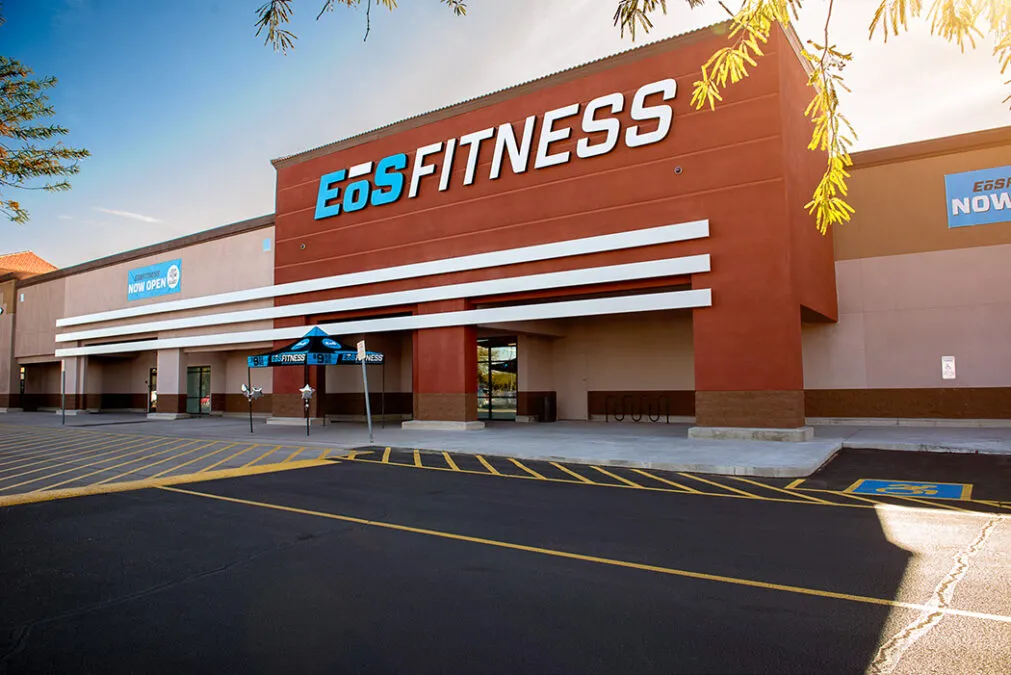
EōS Fitness has grown fast, with more than 200 gyms open or on the way across the Sun Belt and the West, including Arizona, California, Nevada, Texas, Florida, Georgia, and Utah. The pitch is simple: gym amenities that usually cost more, at a budget-friendly price. Bigger clubs add group classes, turf areas, and recovery zones. Higher membership tiers add perks like guest privileges and access to every location. A day pass or short free trial is usually easy to arrange, which makes it low-risk to test.
For the money, few chains give you this much floor space and equipment. Because it is expanding quickly, quality can vary between a brand-new flagship and an older acquired club, so check the specific gym. If you live in its footprint and want more than a bare-bones budget gym, EōS is one of the best values going.
4. Fitness Connection: best big floor on a budget
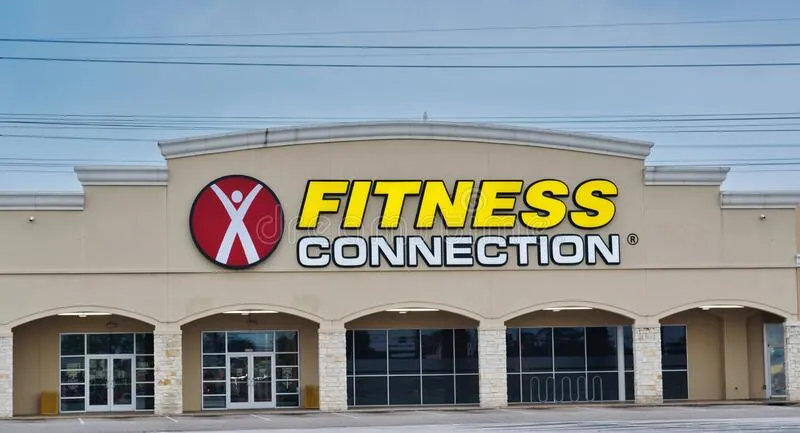
Fitness Connection runs dozens of large-format clubs across Texas, the Carolinas, Georgia, and Nevada. These are big-box gyms in the literal sense: huge floors, lots of cardio and strength equipment, saunas, group classes, and childcare, all at a low monthly rate. Free trials are common, so you can test-drive before committing.
The value comes from scale, not polish. You get room to train and rarely wait long for a machine, but do not expect boutique-studio finishes or a spa. For most people who just want a well-stocked, affordable gym with space to move, that trade is easy to make. As always, the experience depends on how busy and how well-kept your local club is.
5. Retro Fitness: best simple franchise gym
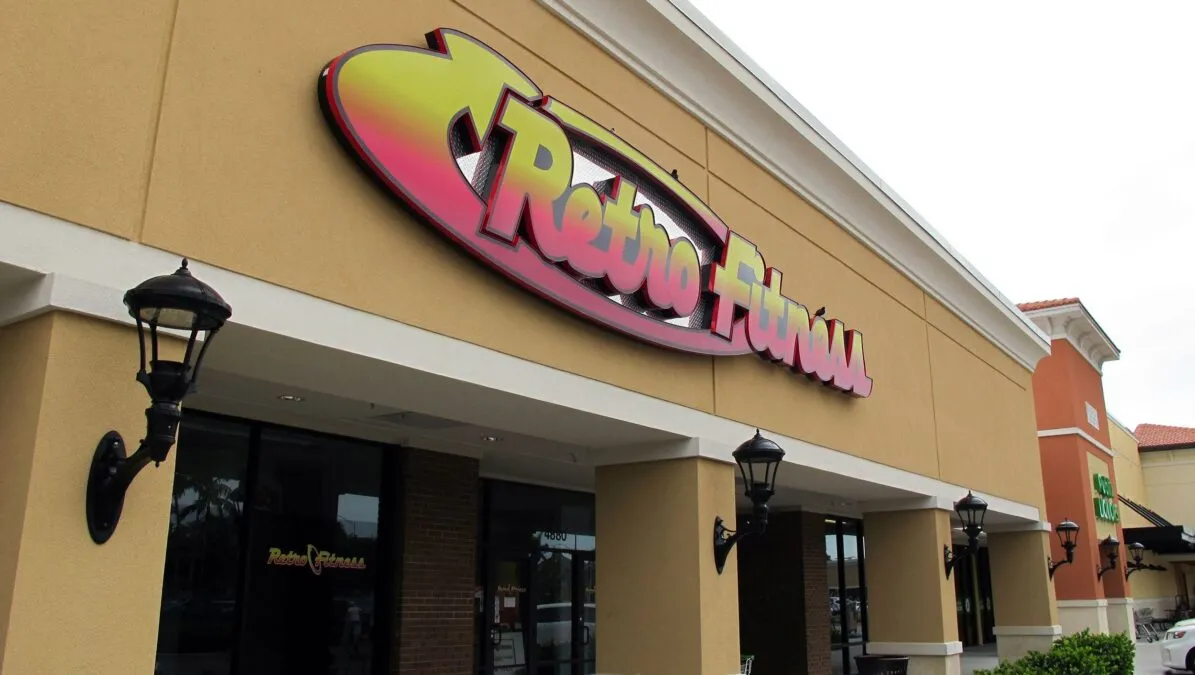
Retro Fitness is a low-cost, franchised chain with well over 100 gyms nationwide, mostly on the East Coast and expanding. Because each club is franchisee-owned, the offering is straightforward: cardio, free weights, machines, and often a smoothie bar, at a price that keeps a monthly gym habit affordable. It works best if you want a no-drama neighborhood gym rather than a full lifestyle club.
The flip side of franchising is consistency. One Retro location can be spotless and well-equipped while another feels dated, since a lot rides on the individual owner. Visit yours, look at how the equipment is maintained, and ask about contract length before you join.
6. Blink Fitness (now moving to PureGym)

Blink Fitness built its name on cheap, cheerful gyms across New York and New Jersey with a “Mood Above Muscle” tone: bright colors, friendly staff, low prices. Its story changed recently. Blink was acquired by the global operator PureGym and went through a Chapter 11 restructuring, and many of its Northeast clubs are converting to the PureGym brand. The count of Blink-badged gyms has shrunk as a result.
PureGym is one of the largest gym operators in the world, so the sites are not disappearing, but the Blink name and its low-price model are being folded into a bigger chain. So the honest 2026 take is this: the locations are still there and still cheap, but the brand is in transition and some clubs have closed or rebranded. If a nearby location is convenient and the price is right, it can still be a fine budget option. Just confirm the specific gym is open and check whether it now runs as PureGym before you sign anything.
7. Rogue Fitness: best equipment (to buy, not join)
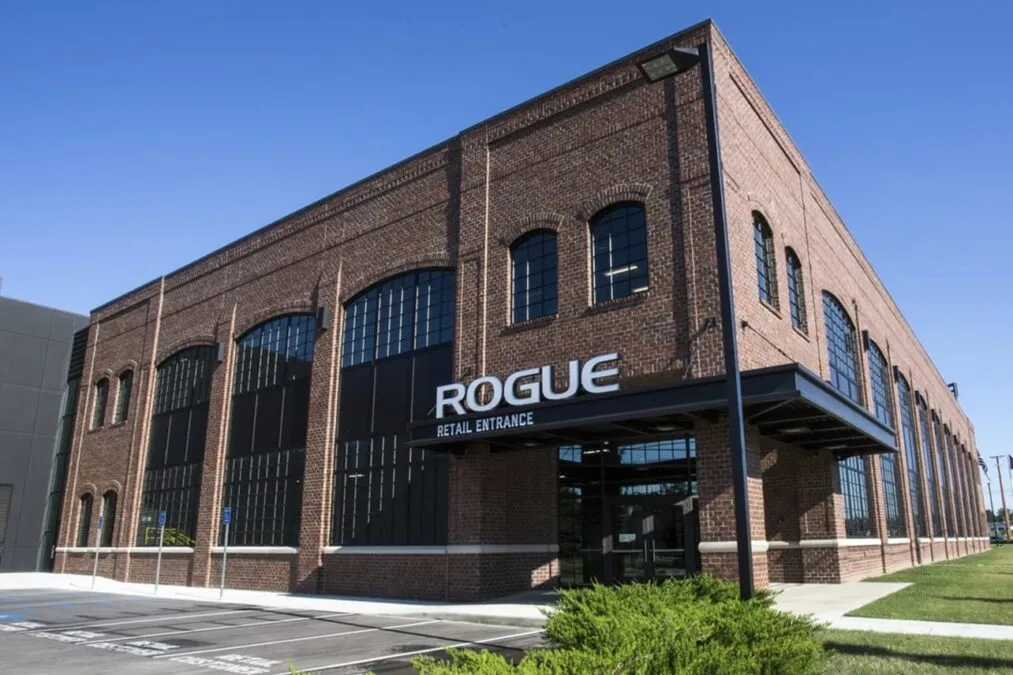
One name on this list is not a gym you join. Rogue Fitness, based in Columbus, Ohio and founded in 2007, is an equipment manufacturer, not a membership chain. It is the primary equipment supplier to CrossFit and a favorite for anyone building a home or garage gym. If you have ever used a solid power rack, barbell, or set of bumper plates at a serious gym, there is a good chance Rogue made it.
We include it because “best fitness club” increasingly means “best place to train,” and for a growing number of people that place is home. Rogue’s racks, bars, and plates are built to last, its customer service has a strong reputation, and its closeout section is worth watching for discounts. It is an investment up front, but you own it outright and never pay dues.
How to choose a fitness club
Pick the gym you will actually walk into three or four times a week, not the one with the longest amenity list. A quiet, plain gym two minutes from home beats a luxury club across town that you visit twice and then dread. It also helps to know your starting point first, whether that is a goal, a routine, or a baseline number from a tool like our BMR calculator. Weigh these factors before you sign:
- Location and hours. Short commute and hours that match your schedule matter more than anything else. Look for 24/7 access if you train early or late.
- Price and contract. Compare month-to-month versus annual plans, and read the cancellation terms. Ask about enrollment and annual maintenance fees, which can add 15 to 25 percent to the advertised rate.
- Equipment. Check that the free-weight area, racks, and cardio machines are enough for your training, and that gear is maintained, not broken and taped off.
- Classes and extras. Only pay for a pool, studios, sauna, or childcare if you will use them. They are the difference between a budget and a premium price.
- Cleanliness and crowding. Visit at the time you would normally train. A club that is spotless at 11 a.m. can be a scrum at 6 p.m.
- Try before you buy. Most chains offer a day pass or a free trial. Use it, and if you are new to lifting, a few sessions with a trainer or a plan like our weight-training tips for beginners will pay off faster than any amenity.
This article is general information to help you compare gyms, not medical or fitness-professional advice. Check with a doctor before starting a new exercise program, especially if you have any health conditions.
Frequently asked questions
What is the best gym chain in the USA?
There is no single best chain, because it depends on your goal, your budget, and where you live. Start by naming what you want, whether that is losing weight, building strength, or just moving more, then pick the gym that supports it without paying for extras you will skip. For most people the best gym is simply the good one closest to home that they will keep visiting, since consistency beats amenities every time.
What is the cheapest gym membership?
The cheapest national option is usually Planet Fitness, with basic plans around $10 to $15 a month. Among the clubs above, Retro Fitness, Fitness Connection, and EōS sit at the budget end. Watch for enrollment and annual maintenance fees, since a $15 headline price can cost noticeably more in the first year.
How much does the average gym membership cost?
In 2026, the average US gym membership runs about $50 a month, or roughly $600 a year. Budget gyms cost around $10 to $30, mid-range clubs like LA Fitness fall near $30 to $60, and luxury clubs can run $200 to $350 or more. Add-on fees like sign-up and annual maintenance push the real first-year cost higher than the sticker price.
Is a big-box gym or a boutique studio better?
Big-box gyms like LA Fitness or EōS give you a full range of equipment, classes, and often a pool for one low monthly fee, which suits general fitness. Boutique studios focus on one thing, such as cycling, strength, or Pilates, with a coach and a community, but cost more per session. Choose a big-box gym for variety and value, a studio for accountability and a specific discipline.
Can I try a gym before I join?
Yes, and the offer varies by chain. Budget gyms usually give a free day pass, larger clubs like LA Fitness or EōS often hand out a three-to-seven-day trial, and some locations let you walk the floor with no sign-up at all. Two things worth doing on that visit: go at the hour you would normally train, so you see the real crowd level, and ask the front desk to put the enrollment fee and cancellation terms in writing before you sit through any sales pitch.
The bottom line
The best fitness club is the one that fits your budget, sits close enough that you will keep showing up, and has the equipment and classes you will actually use. Life Time wins on amenities, LA Fitness on availability, EōS and Fitness Connection on value, Retro on simplicity, Blink on price where it still operates as itself, and Rogue if your gym is your garage. Take a trial pass at your top one or two picks, train there at your normal hour, and let that decide it.
Bonus video: John Meadows on the best gyms in America
Did you like article? Say thanks by clicking below: