
Your watch shows a sleep score, a heart rate graph and a blood oxygen number. Those figures come from small sensors on the back of the device and from motion data. A wearable gives estimates, not medical measurements. This article is general information, not medical advice. Talk to a clinician about any health concern.
Jump to paragraph
The sensors inside a tracker
Optical heart rate sensor
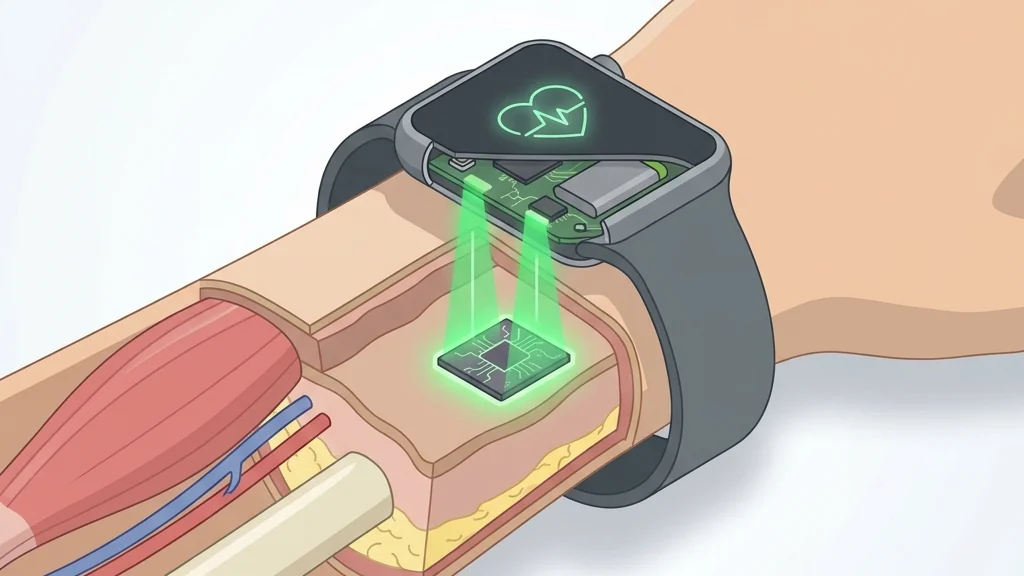
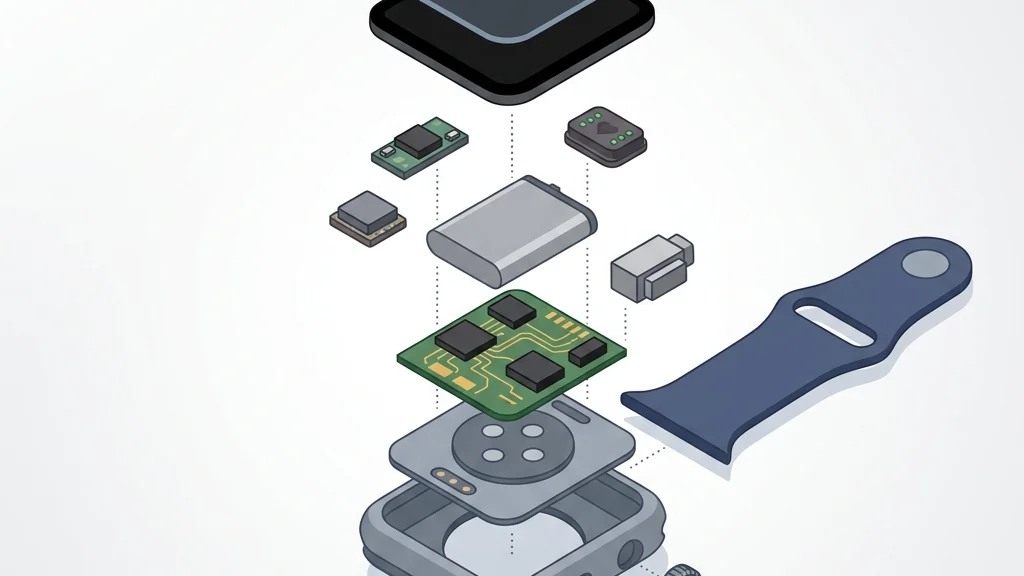
Most wrist devices use photoplethysmography, or PPG. Apple Support explains the idea in plain terms. Blood is red because it reflects red light and absorbs green light. The watch shines green LED light into your wrist and reads what comes back with light-sensitive photodiodes. Blood flow rises with each beat, so green light absorption rises too. Flashing the LEDs hundreds of times per second lets the watch calculate heart rate. Some models also use infrared light, and infrared LEDs are used during a sleep schedule.
Motion sensors
An accelerometer detects movement and counts steps. A gyroscope tracks rotation. Together they help the device tell when you are still and when you are walking.
Electrical sensors
Some watches also have built-in electrodes. On Apple Watch, electrodes in the Digital Crown and the back of the watch measure electrical signals across the heart for the Heart Rate or ECG app, and placing a finger on the Digital Crown closes a circuit.
How accurate are the numbers
Accuracy depends on the metric and on what you are doing. Here is what the research shows.
- Heart rate. In a study of seven wrist devices, six had a median heart rate error below 5% during cycling (Shcherbina et al.). A separate study found absolute error during activity was on average 30% higher than at rest (Bent et al.).
- Calories. No device in the Shcherbina study achieved an energy expenditure error below 20 percent. The authors suggest caution in using calorie numbers in health programs.
- Sleep. Devices detected sleep well, with sensitivity at least 0.93, but detecting wake was weaker, with specificity from 0.18 to 0.54 (Chinoy et al.). Stage results were inconsistent, and devices did worse on disrupted nights.
- Blood oxygen. The FDA notes that readings can be affected by poor circulation, skin pigmentation, skin thickness, skin temperature, tobacco use and fingernail polish.
Motion artefacts and signal crossover also disturb optical sensors. The Bent study found no statistically significant difference in accuracy across skin tones, but significant differences between devices and activity types.
How to get cleaner readings
- Wear the band snug, with the sensor flat against your skin.
- Use a chest strap for hard intervals, since chest straps are generally more accurate during intense training.
Cold hands, tattoos and sweat can disturb optical signals. If you use fitness trackers or health apps experts recommend, check how each one handles your data.
When to talk to a clinician
Readings from a wellness product are not a diagnosis. The FDA says some pulse oximeters are sold as general wellness products, and these are not evaluated for clinical decision-making. Apple also notes that anomalies can appear in the data, giving occasional readings that are abnormally high or low.
Bottom line
Treat wearable numbers as estimates. Use them to ask better questions, and let a clinician answer them.
Most wrist devices measure heart rate well in lab activities but estimate energy expenditure poorly, so use calorie numbers with care.
FAQ
How do smartwatches measure heart rate?
They shine green LED light into the wrist and read the reflected light with photodiodes. Blood absorbs more green light when the heart beats. Flashing the LEDs hundreds of times per second lets the watch calculate heart rate.
Are sleep stages accurate?
Sleep detection is strong, but stage results are mixed and inconsistent across devices. Devices also do worse on nights with poorer or disrupted sleep.
Can a wearable diagnose a condition?
Not on the evidence used here. The FDA says some wellness pulse oximeters are not evaluated for clinical decision-making. Ask a clinician about any health concern.
Did you like article? Say thanks by clicking below: